
Can Tariffs Affect The Real Estate Market in Guelph?
Can Tariffs Affect The Real Estate Market in Guelph?
When discussing the factors that influence the real estate market, most people think about interest rates, supply and demand, and economic growth. However, one less obvious but potentially significant factor is tariffs. While tariffs primarily affect international trade, their impact can trickle down into local real estate markets, including Guelph.
What Are Tariffs and How Do They Work?
Tariffs are taxes or duties imposed on imported goods and services. Governments use them to protect domestic industries, generate revenue, or respond to international trade disputes. When tariffs increase, the cost of imported goods rises, potentially leading to higher consumer prices and inflation.
How Tariffs Can Impact Guelph’s Real Estate Market
1. Higher Construction Costs
Many building materials, including steel, lumber, and aluminum, are subject to international trade policies. If tariffs are placed on these materials, the cost of new home construction and renovations may rise.
2. Increased Costs for Homebuyers and Renters
When construction costs go up, developers often pass those expenses onto buyers. This can make purchasing a home more expensive and drive up rental prices as well. Tariffs could exacerbate the situation, making it even harder for first-time buyers to enter the market.
3. Potential Impact on Jobs and Economic Growth
Tariffs can affect industries beyond real estate. If local businesses rely on imported goods that become more expensive due to tariffs, they may cut jobs or reduce expansion plans. A weaker job market can lead to decreased demand for housing and a slowdown in real estate activity.
4. Interest Rates and Inflation
If tariffs contribute to higher inflation, the Bank of Canada may respond by increasing interest rates. Higher interest rates make borrowing more expensive, discouraging people from purchasing homes and affecting overall market activity.
The Local Perspective: Guelph’s Resilient Market
Guelph has a strong and growing real estate market, thanks to its desirable location, excellent amenities, and proximity to major economic hubs like Toronto. While tariffs could create short-term challenges, the long-term outlook for Guelph remains positive. Homebuyers and investors should stay informed about economic policies and be prepared to adapt to market changes.
While tariffs may not be the first thing that comes to mind when thinking about real estate, they can have a ripple effect on housing markets, including in Guelph. By increasing construction costs, affecting affordability, and influencing broader economic conditions, tariffs have the potential to impact home prices and investment decisions. Staying informed and working with knowledgeable real estate professionals can help buyers and sellers navigate these potential challenges effectively.
If you’re thinking about buying or selling a home in Guelph, it’s essential to understand all the factors that can influence the market. Feel free to reach out to our team for insights tailored to your specific needs.
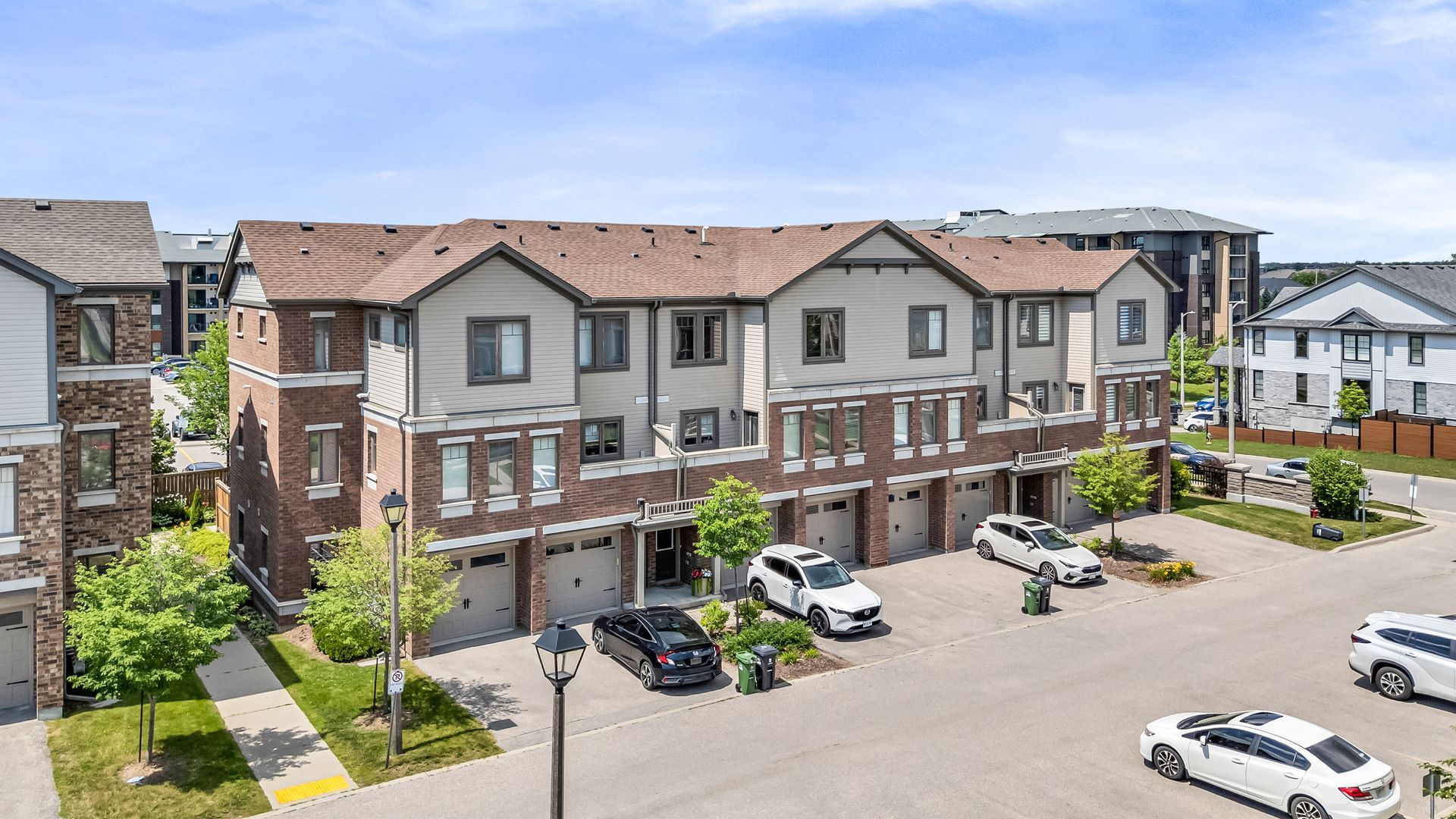
Finding the right home when it’s time to simplify can be challenging. Many buyers want the convenience of single-level living but aren’t ready to sacrifice privacy, easy access, or the comfort of having their own garage. That’s exactly what makes this ground-level condo such a rare opportunity.
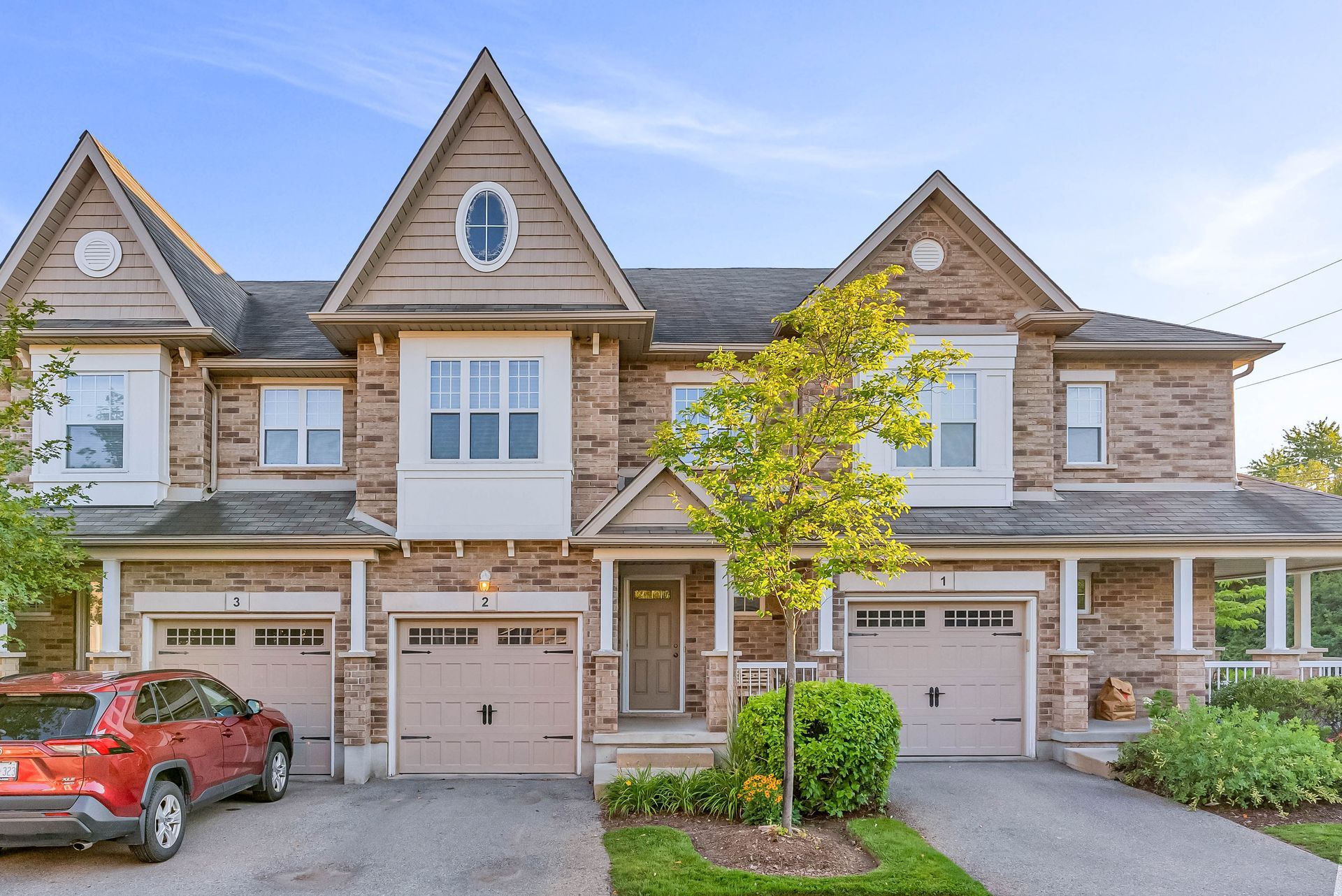
Right now, many homeowners living in freehold townhomes and entry-level detached homes may be in a surprisingly advantageous position if they’re considering a move to a larger property.

Rising home prices, higher borrowing costs, and limited supply made it challenging for first-time buyers to enter the market. But recently, something important has changed.

For buyers, that can sound like great news. More inventory, more negotiating power, and potentially better prices. But for homeowners who are planning to sell their current home and purchase another, hearing this can sometimes create concern. The reality, however, is often very different. When you’re both selling and buying at the same time, your situation is usually more balanced and sometimes even advantageous than many people realize. The key is understanding one important concept: the difference between the two transactions. Focus on the Difference — Not Just the Headlines Market headlines often focus on prices softening or homes taking longer to sell. While those things do matter, they don’t tell the whole story for homeowners who are both selling and purchasing. What truly matters is the difference between what you sell for and what you buy for. In real estate terms, this is often referred to as the “delta.” Let’s look at a simple example. Imagine your current home was previously worth $500,000. If market values soften by 10% , you may sell it for around $450,000 . That’s a $50,000 decrease . Now consider the home you want to move into. If that home was previously valued at $1,000,000 , the same 10% market adjustment would bring the price down to $900,000 . That’s a $100,000 decrease . Even though your current home sold for less, the home you purchased dropped twice as much in real dollars. In this scenario, you effectively gained about $50,000 in your move-up purchase. This is why many families upgrading their homes can actually benefit during a cooler market. Move-Up Buyers Often Benefit the Most When the market slows, higher-priced homes often experience larger dollar adjustments. For buyers who are moving from: a starter home to a larger family home or upgrading into their long-term property the gap between the two properties can narrow significantly. Simply put: The bigger the step up, the greater the potential opportunity. Why Strategy Matters More Than Ever In markets like today’s, success is not just about timing, it’s about strategy. The way your sale and purchase are handled can have a significant impact on your final outcome. On the selling side, your REALTOR® should be focused on: Strategic pricing based on real market data Professional marketing and exposure Preparing the home to stand out to buyers Strong negotiation to protect your equity Even in a buyer’s market, well-presented and well-priced homes still sell. Preparation and positioning make all the difference. Even in a buyer’s market, well-presented and well-priced homes still sell. Preparation and positioning make all the difference. The Buying Side Has Opportunities Too While sellers need strong marketing, buyers today often have something they haven’t seen in years: Options. With more inventory available and homes spending longer on the market, buyers may have opportunities to: Negotiate on price Include conditions Request repairs or improvements Structure the deal in their favour But these advantages only matter if someone is actively negotiating on your behalf. A strong REALTOR® doesn’t just help you find a home, they help you secure the best possible terms. Winning on Both Sides of the Transaction When you’re both buying and selling, the goal isn’t simply to focus on one side of the transaction. The real objective is to optimize both. That means: Maximizing the sale price of your current home Negotiating the best terms on your next purchase Carefully managing the difference between the two properties This is where experience, guidance, and a thoughtful strategy truly matter Thinking About Making a Move? If you’re considering selling and buying at the same time, today’s market may present more opportunity than you think. Understanding the numbers, timing, and negotiation strategy can make a meaningful difference in the outcome of your move. If you’re curious about what your next step might look like in today’s market, we’d be happy to help. Start with a conversation. 📞 Connect with DiLoreto & Co. 🏡 Get a professional evaluation of your home Your next move may be closer and more advantageous than you realize.
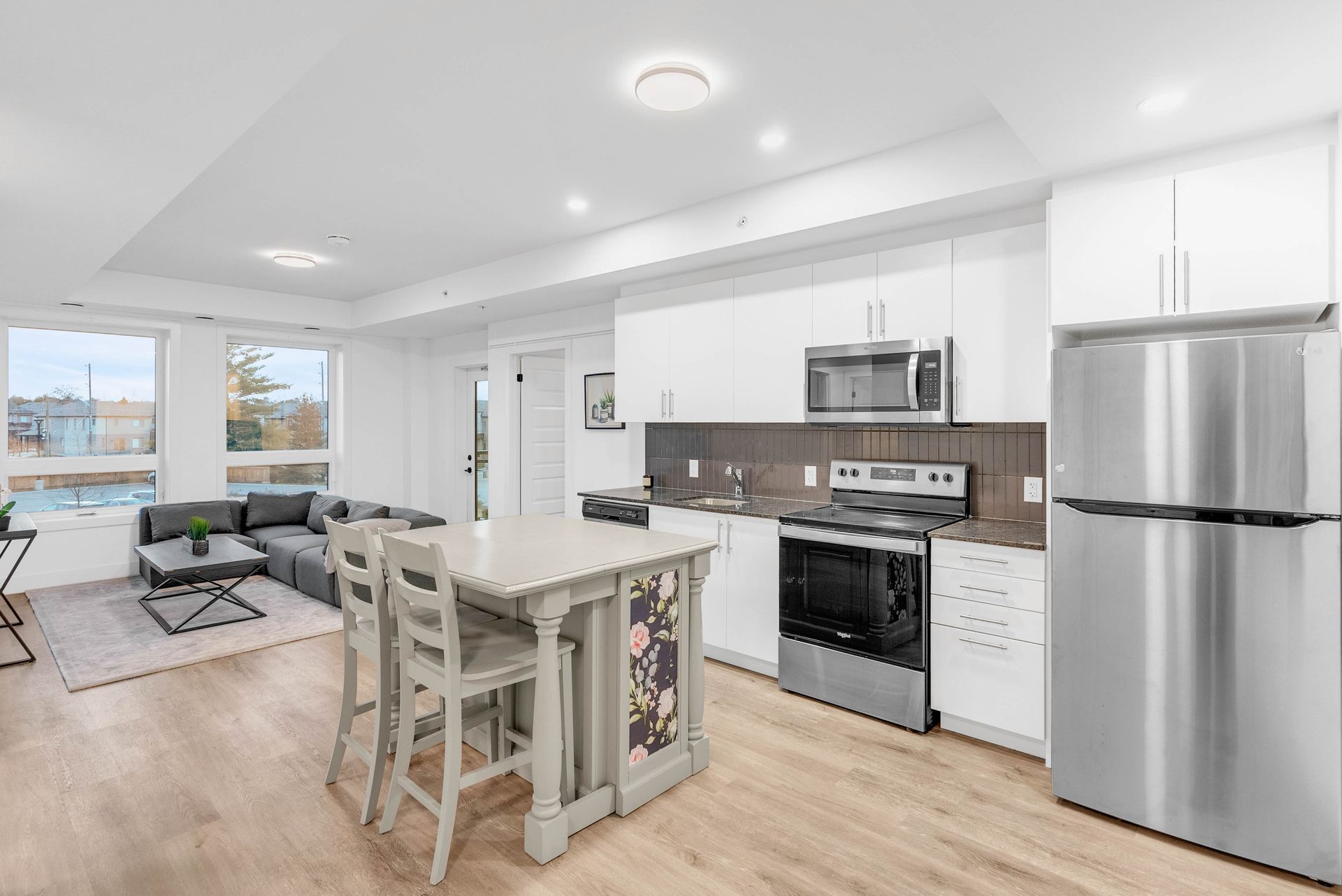
The investors succeeding today are: negotiating hard, buying with margin, planning years ahead. If you’re buying without a strategy, you’re gambling — not investing.
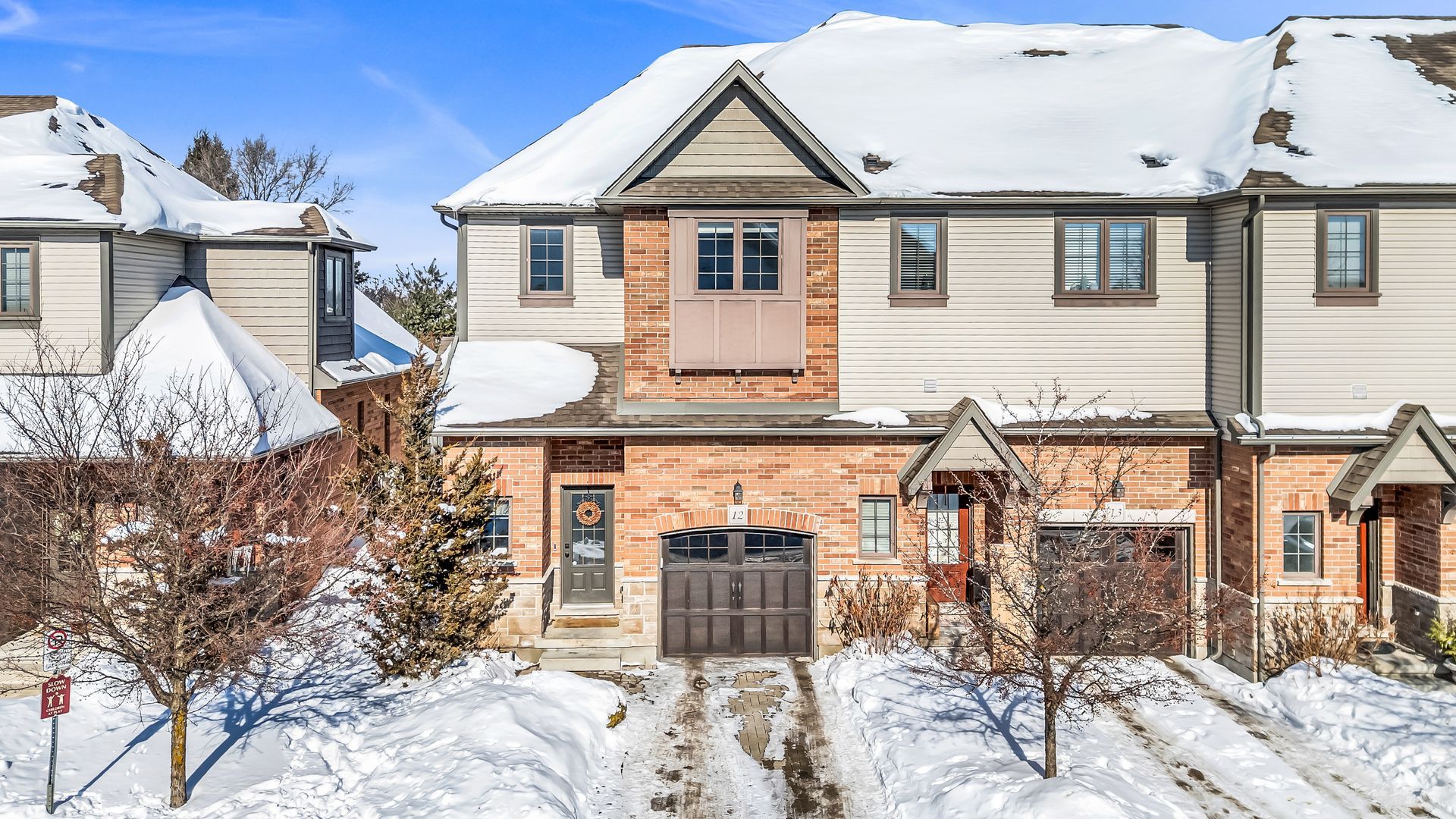
Explore living near Downey Road and Kortright Hills in Guelph. Established neighbourhood, parks, trails, top schools, YMCA access, and easy commuting. View available homes today.
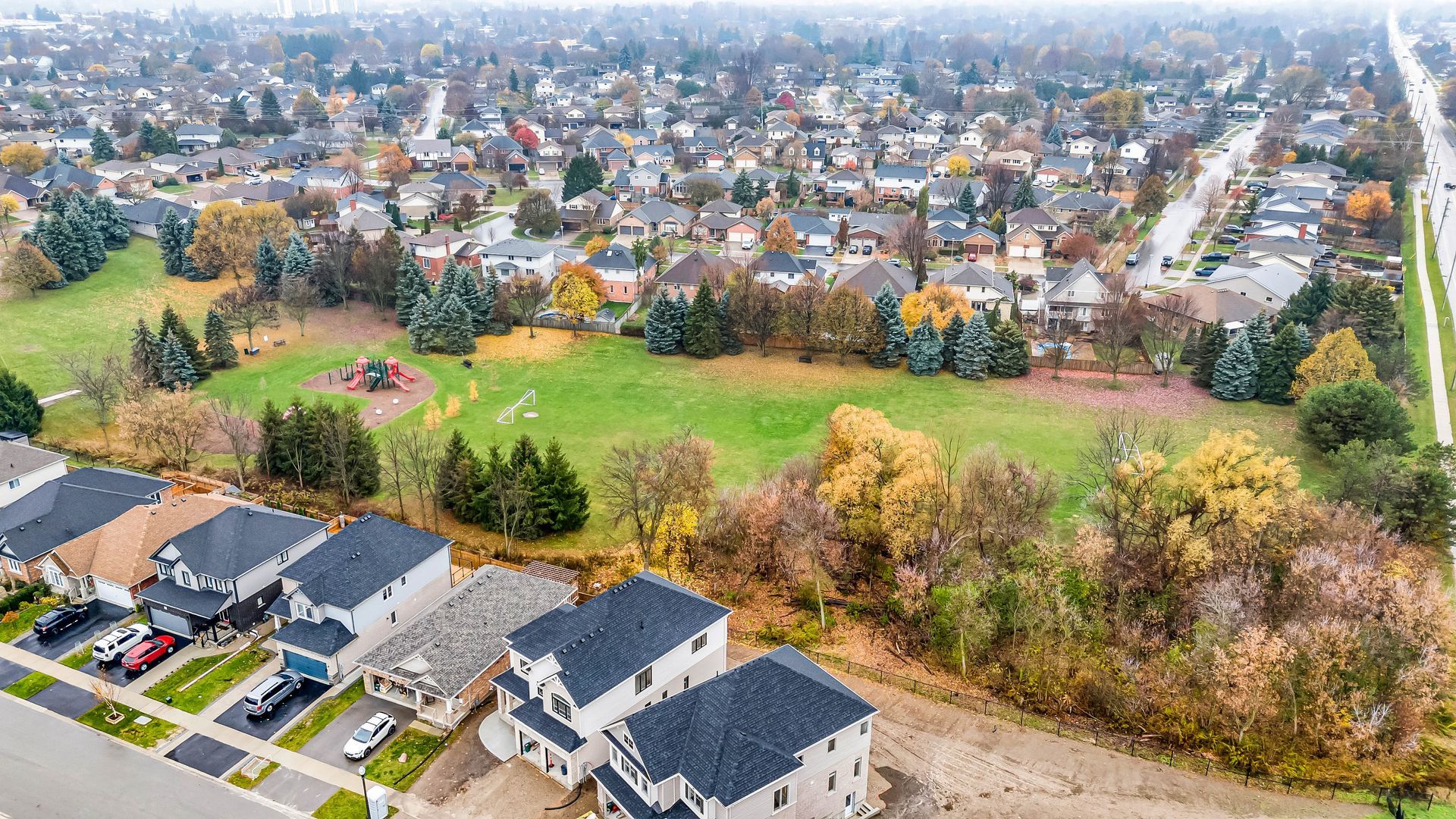
Discover Woodstock, Ontario amenities near Caen Avenue. Learn about parks, schools, shopping & why homes at 1140–1248 Caen Ave are ideal for families & commuters.
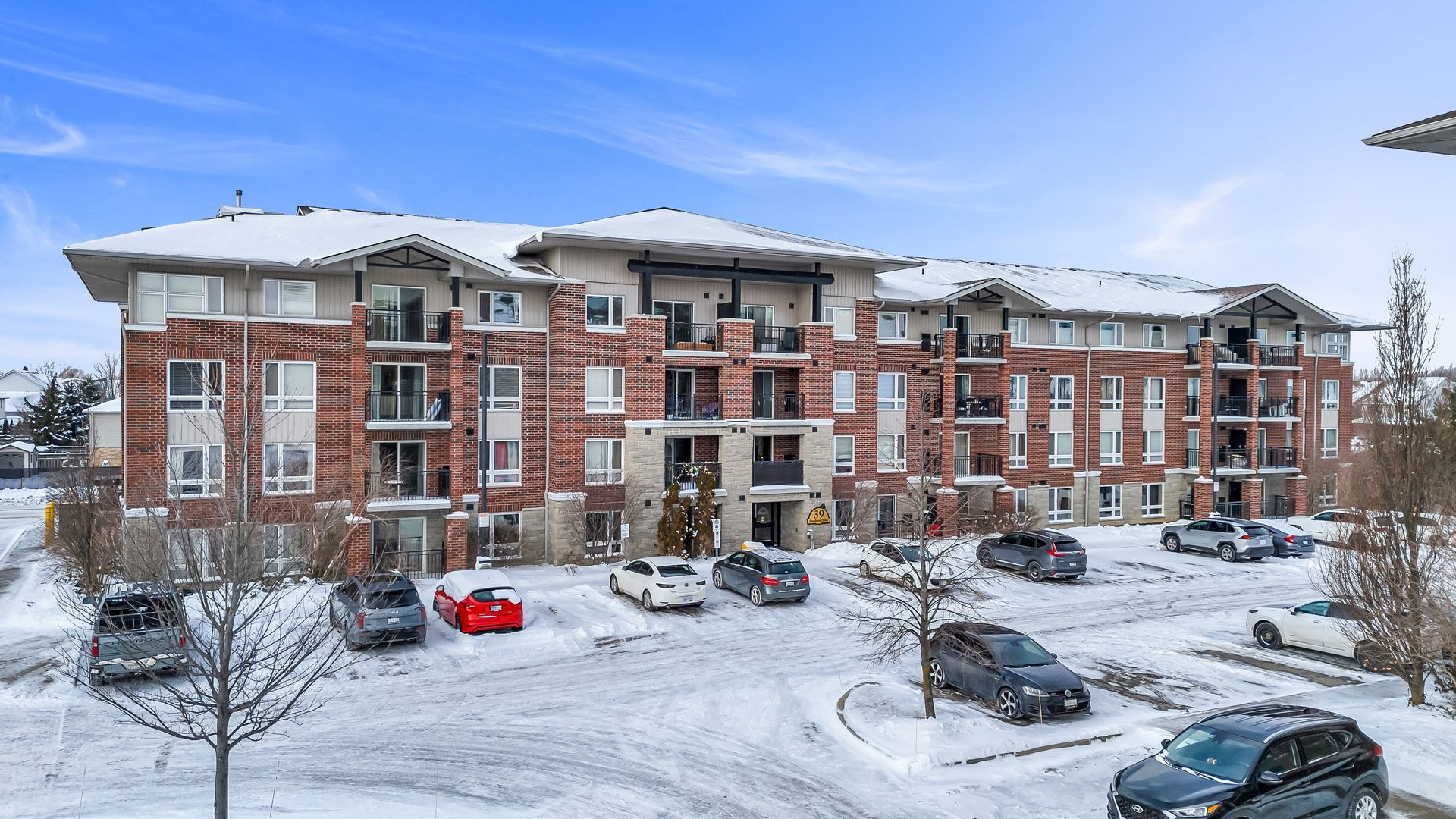
Thinking of buying your first home? One-bedroom condos offer affordability, low condo fees, and a smart way to build equity instead of renting.

Thinking of moving to Fergus? Discover why families love the lifestyle, schools, and investment potential of this growing Ontario town.
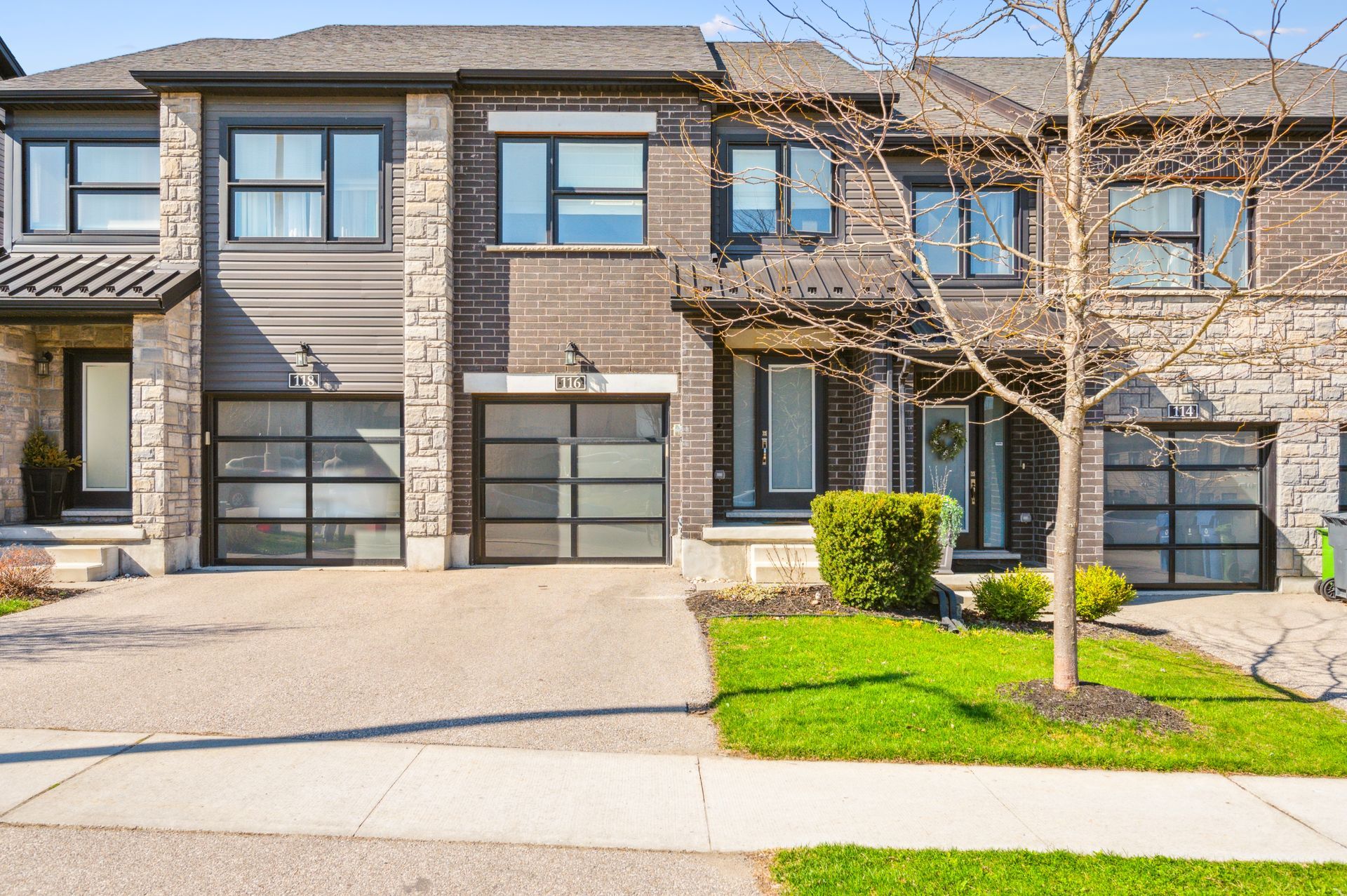
Freehold townhomes offer affordability, space, and long-term value. Learn why they’re one of the smartest home and investment choices in Guelph.